
GroceriesReview.co.uk provides independent reviews and recommendations. Some pages contain affiliate links to Amazon.co.uk, and we may earn a commission when you make a qualifying purchase at no extra cost to you.
Sea salt flakes are a type of sea salt made into light, thin crystals that sit on the surface of food instead of disappearing into it. On a packet, “flakes” is mainly telling you two things: the salt will feel different in your fingers, and it will behave differently in cooking compared with fine salt or chunky crystals.
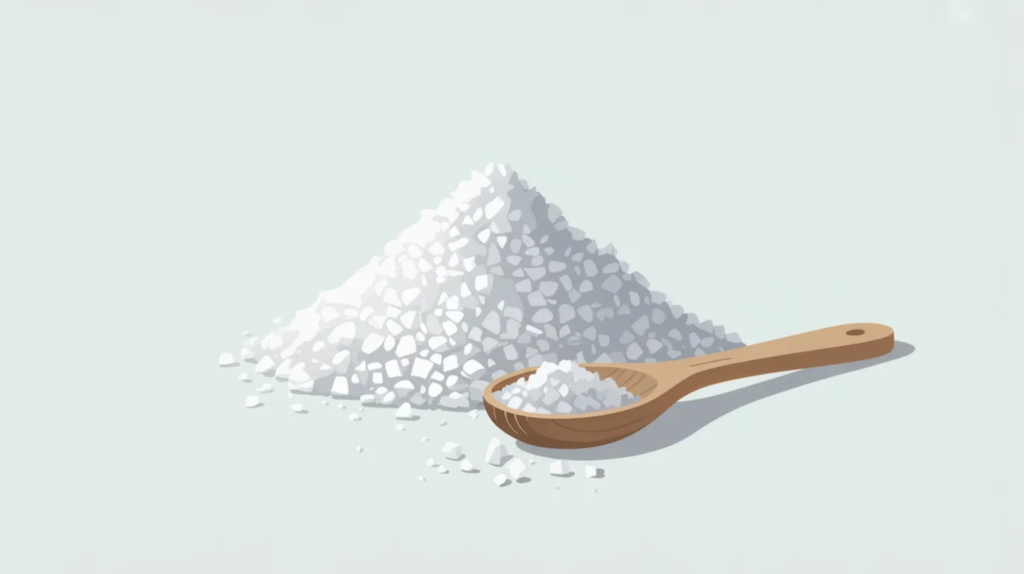
Sea salt flakes, explained in plain terms
“Sea salt flakes” usually means the salt has been produced as delicate, plate-like crystals (often airy and brittle). That structure gives you:
- A crisp texture when sprinkled on finished food
- Fast flavour release on the tongue
- Less “dense” salt in a spoon compared with fine table salt
It’s still salt, but the format changes how you use it.
How flakes are different from fine salt and crystals
Here’s the simplest way to read the difference without guessing:
| Format on the pack | What it looks like | What it’s best for | What it’s not great for |
|---|---|---|---|
| Sea salt flakes | Thin, light pieces | Finishing, sprinkling, texture | Precise baking measurements |
| Fine sea salt | Small grains | Cooking, sauces, general seasoning | Crunchy finishing |
| Sea salt crystals | Chunky grains | Grinders, pasta water, roasting | Even distribution in delicate baking |
If you want an everyday “does everything” salt setup, it often ends up being one fine salt plus one flake salt. For the straightforward option that measures consistently, many people keep a dedicated fine salt as well, like the type covered in Best Table Salt in the UK.
Why brands label flakes so prominently
Flakes are a selling point because they change the eating experience. Fine salt seasons from the inside; flakes season the outside.
You’ll notice flakes most on:
- roast potatoes and chips
- eggs and avocado toast
- tomatoes, salads, cucumbers
- fish and steak
- chocolate desserts and caramel (a small pinch on top)
That’s why packs often lean into words like “flakes”, “finishing”, or “sprinkle”.
What else you might see next to “flakes” on the label
Different brands use slightly different wording, but it usually points to the same idea.
“Flaked” or “flake salt”
This simply confirms the format. Expect light crystals designed for sprinkling.
“Sea salt flakes” vs “sea salt crystals”
Flakes are fragile and airy. Crystals are chunkier and often aimed at grinders.
“Crushed flakes”
This is flake salt that’s been broken down into smaller pieces. It still gives a bit of texture, but it behaves closer to fine salt than full flakes.
“Hand-harvested” or origin terms
These can be nice details, but the practical question is still: are you buying flakes for finishing, or a fine salt for cooking?
If you’re choosing between UK-made finishing salts, you might enjoy how Cornish options behave on food, especially on roast potatoes and simple salads. That’s the sort of product style covered in Best Cornish Sea Salt in the UK.
Does “flakes” change how salty it is?
By weight, salt is salt. In the kitchen, flakes often feel less salty per teaspoon because they don’t pack tightly. That’s why two pinches can taste different even if they look similar.
A practical way to think about it:
- Use flakes when you’re seasoning by feel at the end
- Use fine salt when you’re measuring or dissolving salt into a dish
If you want a clearer “how they behave” comparison, this companion page helps without overcomplicating it: Sea Salt vs Table Salt (What’s the Real Difference?).
How to use sea salt flakes properly
Use flakes at the end, not the beginning
Flakes are designed to sit on the surface. Add them after cooking so the texture stays noticeable.
Keep them visible and targeted
Sprinkle from higher up so they spread more evenly. This avoids little “salt bombs” in one spot.
Start with less than you think
Because flakes hit your tongue directly, you often need less than you’d use when seasoning a pot of sauce.
When flakes are the wrong choice
Sea salt flakes are brilliant for finishing, but they’re not the best tool for everything.
They can be awkward for:
- baking recipes that rely on consistent measuring
- sauces where you want salt to dissolve immediately
- seasoning pasta water (fine salt or crystals are easier)
If you want a salt that covers everyday cooking (and still gives you good flavour), your best “shopping shortlist” page is usually a sea-salt roundup by format, such as Best Sea Salt in the UK.
Storage tip that keeps flakes crisp
Flakes hate steam. If your tub lives next to the hob, it’ll clump or soften over time.
- Keep flakes in a tightly closed tub or jar
- Store away from kettle steam and boiling pots
- Use dry fingers or a small spoon rather than pinching over a steaming pan
Quick “pack-reading” checklist
When you pick up a packet that says “sea salt flakes”, check:
- Is it clearly flakes (not crystals or fine)?
- Is it intended for finishing or general cooking?
- Is the pack size right for how often you’ll use it?
- Does the container suit your kitchen (tub for sprinkling, not a grinder refill)?
The simple takeaway
“Sea salt flakes” on packaging means you’re buying salt for texture and finishing. It’s meant to be sprinkled on food at the end, where the crystals stay intact and you get that clean, bright pop of saltiness.