
GroceriesReview.co.uk provides independent reviews and recommendations. Some pages contain affiliate links to Amazon.co.uk, and we may earn a commission when you make a qualifying purchase at no extra cost to you.
Once a jar of jam has been opened, how you store it starts to matter just as much as what you bought. On UK supermarket shelves, jam is shelf-stable while sealed, but after the lid comes off, air, moisture, and repeated spoon use all begin to affect freshness.
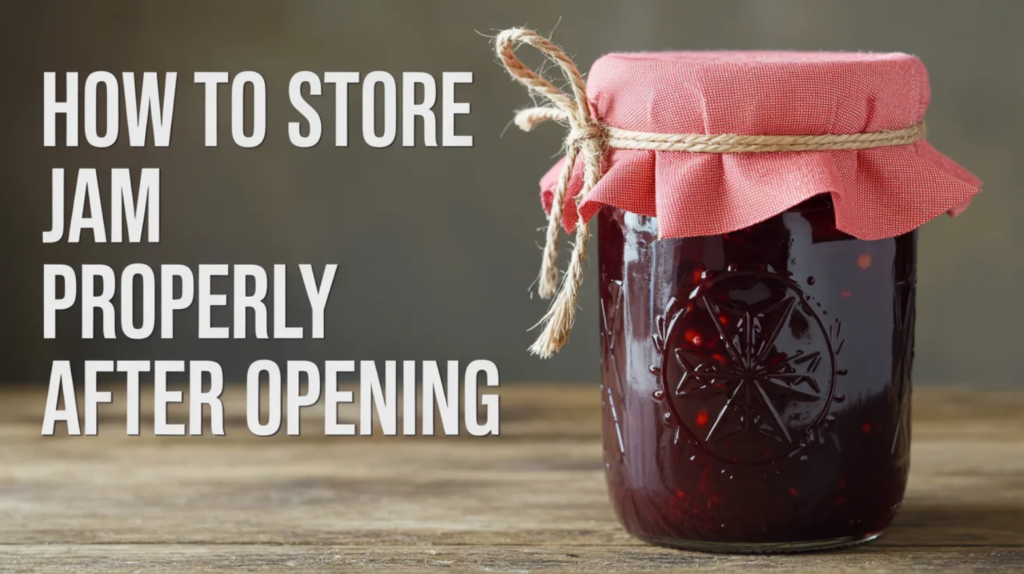
Proper storage helps keep the flavour clear, the texture stable, and the jar safe to use over the following weeks.
Refrigerate after opening
The first thing to check is the label. In the UK, most jams and preserves will clearly state “refrigerate after opening”.
This applies whether it is a classic strawberry jam, a chunkier raspberry preserve, or a reduced sugar variety.
Once opened, the jar should be kept in the fridge rather than left in a cupboard. Chilled storage slows down spoilage and helps preserve the set.
For shoppers who use jam regularly at breakfast, it is easy to leave it on the table after toast, but it should be returned to the fridge once you are finished.
Always use a clean, dry spoon
One of the quickest ways to shorten the life of an opened jar is by using a spoon that is wet, buttery, or has crumbs on it.
A clean spoon helps prevent contamination from bread, butter, cream, or moisture. This is especially important with softer products such as raspberry jam, where visible fruit and seeds can make spoilage easier to spot.
In practice, this is one of the simplest habits that makes a real difference to how long the jar stays good.
Keep the lid tightly sealed
After each use, screw the lid back on firmly.
A properly closed jar helps reduce exposure to air and stops the surface from drying out or developing mould. This also helps preserve the aroma and fruit flavour.
For jars that are opened frequently, especially family-size ones, this becomes even more important because repeated exposure to air can affect quality over time.
Watch for mould or texture changes
Even well-stored jam should be checked before use.
Look out for:
- mould on the surface or around the lid
- unusual separation
- changes in colour
- an off smell
- a noticeably runnier texture than usual
This is particularly worth checking with reduced sugar jam, as lower sugar recipes can sometimes behave differently after opening.
If there is visible mould, it is best to discard the whole jar rather than trying to remove just the affected part.
Use within the recommended time
Most UK jam labels include guidance such as use within 4-8 weeks after opening, though this varies by brand and type.
A standard high-sugar jam may keep well for longer than a fruit spread or reduced sugar version.
For example, a traditional strawberry or blackcurrant jam often remains stable for several weeks when refrigerated properly, while a fruit-led spread may have a shorter recommended use period.
The label is the most reliable guide here.
Store away from strong fridge odours
Jam can absorb surrounding smells over time, especially once opened.
It helps to keep the jar away from strongly scented foods such as onions, garlic-heavy leftovers, or certain cheeses.
This is easy to overlook, but it can subtly affect the flavour, particularly in lighter jams such as apricot or strawberry.
Smaller jars can make storage easier
If you only use jam occasionally, smaller jars are often the better choice.
A large family jar offers good value, but if it sits in the fridge for months after opening, the savings can be lost if part of it has to be thrown away.
This is especially worth considering for premium or specialist jams that are not used every day.
Conclusion
Proper jam storage after opening is straightforward but important: keep it refrigerated, use a clean spoon, seal the lid tightly, and check the jar regularly for any signs of spoilage.
Whether it is a classic strawberry jam, a raspberry preserve, or a reduced sugar option, these simple habits help keep the product fresh, safe, and tasting as it should for as long as possible.