
GroceriesReview.co.uk provides independent reviews and recommendations. Some pages contain affiliate links to Amazon.co.uk, and we may earn a commission when you make a qualifying purchase at no extra cost to you.
Zest and peels from lemons, oranges, and limes can be repurposed in the kitchen and around the home for flavouring, cleaning, and even deodorising. Rather than discarding citrus peels, you can use them in multiple practical and sustainable ways.
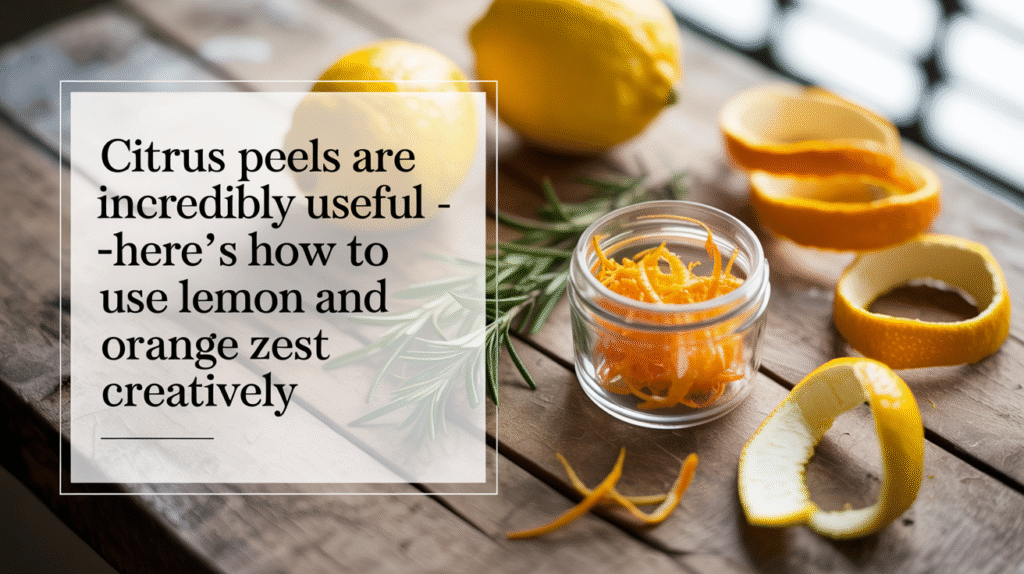
Whether you’re baking a cake, freshening your bin, or crafting homemade cleaners, citrus zest is more than just kitchen waste. Let’s explore how to maximise the use of citrus peels for flavour, fragrance, and freshness.
Why Save Citrus Peels?
Citrus peels are rich in essential oils and nutrients. Their natural oils offer fragrance, antimicrobial benefits, and a strong, bright flavour that works beautifully in both cooking and non-food applications.
What Makes Zest and Peel So Useful?
There’s more to the outer skin than you might expect:
- High concentration of flavourful oils in the zest layer.
- Natural antibacterial and antifungal properties due to limonene and citric acid.
By using the peel, you reduce waste and get extra value from every fruit.
Culinary Uses for Citrus Zest and Peel
Zest refers to the coloured outer skin (not the bitter white pith), which adds brightness and depth to many dishes.
Add Zest to Baking and Desserts
Zest gives baked goods a burst of aroma and flavour.
- Enhance cakes, muffins, and biscuits with lemon or orange zest.
- Add zest to puddings, cheesecakes, or curds for a citrusy lift.
Zest is especially popular in lemon drizzle cakes, citrus shortbread, and citrus-infused custards.
Infuse Oils and Vinegars
Peels can be used to infuse neutral oils or vinegars.
- Combine citrus peels with olive oil for salad dressings or marinades.
- Infuse white wine vinegar with orange peel for a tangy twist in vinaigrettes.
Let the mixture sit for a week in a sealed jar before straining.
Make Citrus Sugar or Salt
Dried zest adds sophistication to seasonings.
- Mix dried zest with sugar for dusting pastries or sweetening tea.
- Blend with sea salt to create a fragrant rub for chicken, fish, or roasted vegetables.
Candied Citrus Peel
Sweet and chewy, candied peel is a classic treat and bake-inclusion.
- Boil thin slices of peel in sugar syrup and dry them for homemade sweets.
- Use in Christmas cakes, panettone, or dark chocolate coatings.
Citrus Peels Around the Home
Citrus peels can be powerful tools for cleaning and freshening without harsh chemicals.
Natural Air Freshener and Deodoriser
Peels give off a clean, sharp scent when dried or heated.
- Simmer in a saucepan with cloves and cinnamon for a natural air freshener.
- Place dried peels in bins, fridges, or shoes to neutralise odours.
Homemade Citrus Cleaners
Lemon peel is particularly effective for DIY cleaning solutions.
- Soak lemon or orange peels in vinegar for two weeks to create a natural degreaser.
- Use this cleaner on worktops, sinks, and glass surfaces.
Avoid using citrus cleaners on natural stone like granite, as the acid can damage the surface.
Microwave and Kettle Cleaner
Boiling lemon peel in water inside your kettle or microwave loosens grime and removes smells.
- Microwave: Heat lemon slices or peels in water for 2–3 minutes, then wipe clean.
- Kettle: Boil water with lemon peel to remove scale and refresh the interior.
Garden and Composting Uses
Citrus peels can even help in the garden, if used thoughtfully.
Keep Pests Away
The oils in citrus peels can deter common garden pests.
- Scatter chopped peels around plants to discourage cats and slugs.
- Rub orange peel on pots and window sills to keep ants away.
Add to Compost in Moderation
While citrus is acidic, small amounts can still be composted.
- Dry and chop peels before adding to help them break down faster.
- Balance with other green waste to maintain pH.
Avoid adding large amounts at once as it can disrupt compost microbes.
How to Store Citrus Peels for Future Use
If you’re not ready to use your peel right away, here’s how to save it.
Dry or Freeze Peels
Long-term storage is simple and preserves both flavour and oil.
- Air-dry strips of peel and store in an airtight jar for later zesting or tea-making.
- Freeze peels or grated zest in small containers or bags to keep them fresh.
Keep in mind that zest loses intensity over time—use within 6 months for best results.
FAQs About Using Citrus Peels in the Kitchen and Home
Here are some questions and answers about the many uses of citrus zest and peel.
Is it safe to eat citrus peels?
Yes, when the peel is thoroughly washed and free of wax. Organic or unwaxed fruits are best for culinary use.
Can I use lemon zest instead of lime or orange?
You can, but expect a different flavour. Lemon is sharper, lime more bitter, and orange sweeter. Adjust quantities to suit your dish.
What’s the difference between zest and peel?
Zest is the thin outer layer, rich in oils and flavour. Peel may refer to the entire skin, including the bitter white pith.
How long do dried citrus peels last?
When kept in an airtight container, dried peels can last up to 12 months. Store away from light and heat.
Can I compost citrus peels?
Yes, in small amounts. Chop or dry them first and avoid adding too many at once, as citrus can slow down the composting process.